Choosing the best time to visit Ponta Delgada
The best time to visit Ponta Delgada depends on what you want to do. Summer is statistically drier in the city’s coastal climate record, while April to June is the regional focus for large migratory baleen whales. Those are different reasons to choose a month. Neither tells you the weather or wildlife outcome of an individual day on São Miguel.
Use the monthly climate table for broad planning, then keep city visits and crater outings flexible within your stay. Ponta Delgada weather measured near sea level is not a measurement of conditions at Sete Cidades or Lagoa do Fogo. A month with lower average rainfall still calls for decisions based on the day’s actual conditions.
Our pick: whale watching
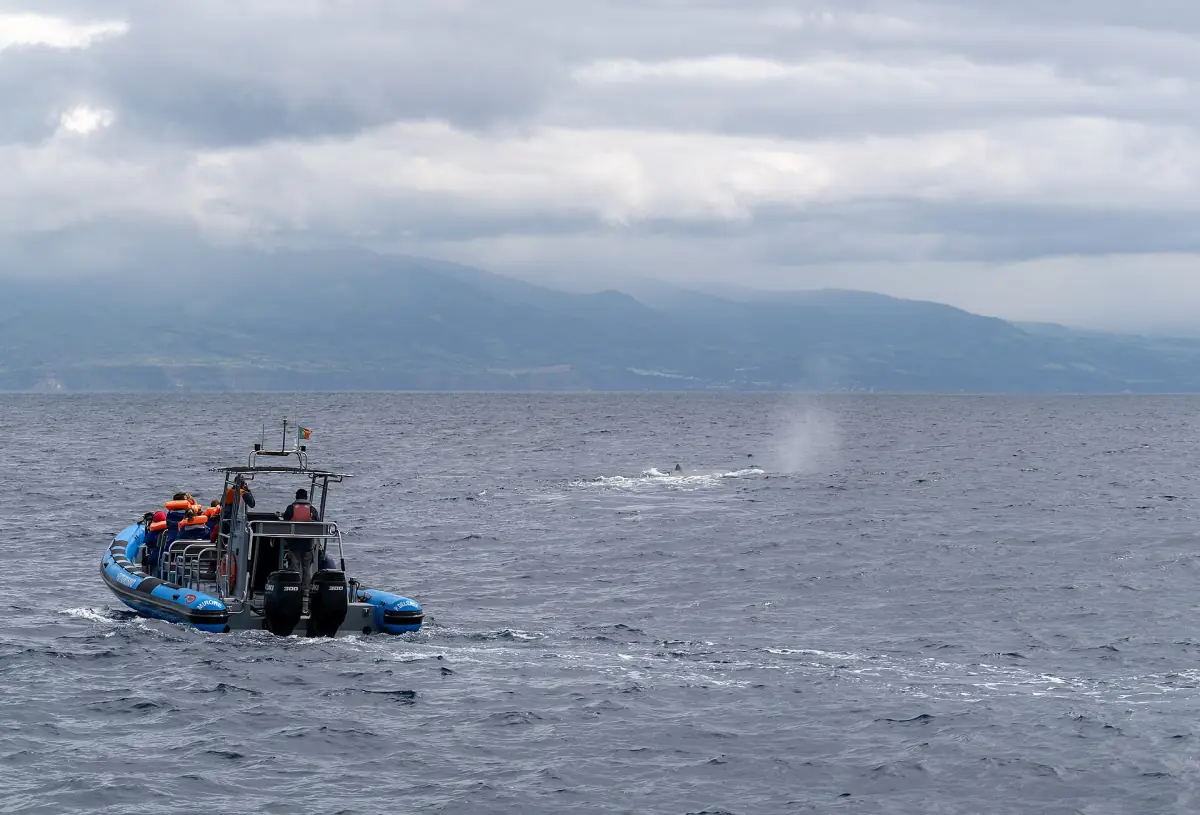
This guided boat trip offers a way to look for marine wildlife during your stay, without a sighting guarantee.
Hand-picked tours, booked through GetYourGuide. Prices are indicative starting prices in euros (as of November 2026). Tap a tour for live availability and the current price in your currency.
Consider a whale-watching day in your chosen season
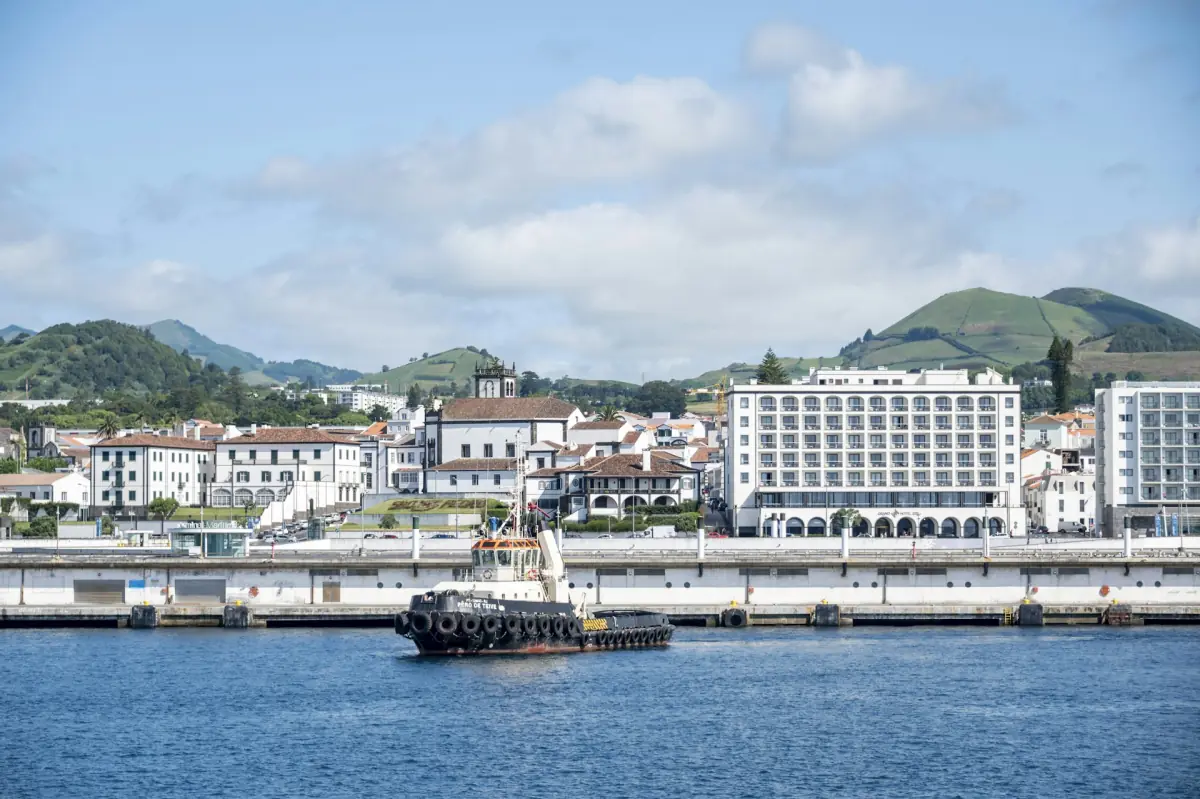
The three-hour cruise uses a catamaran or speedboat from Marina Pêro de Teive, with a guide, crew, life jacket and raincoat included.
Ponta Delgada weather: coastal monthly averages
Ponta Delgada’s climate table comes from IPMA’s Observatório Afonso Chaves station, at 35 metres elevation, using the 1991 to 2020 normal period in the 2024 edition. Maximum and minimum temperatures mean the averages of daily highs and lows. Rainfall is the average monthly total. These are long-term climate statistics, rather than records, a forecast or crater-rim measurements.
| Month | Mean high °C | Mean low °C | Rainfall mm |
|---|---|---|---|
| January | 17.5 | 12.7 | 102.1 |
| February | 17.4 | 12.1 | 87.2 |
| March | 17.9 | 12.6 | 97.1 |
| April | 18.8 | 13.3 | 79.6 |
| May | 20.2 | 14.6 | 61.0 |
| June | 22.4 | 16.8 | 44.4 |
| July | 24.7 | 18.9 | 26.0 |
| August | 26.0 | 19.9 | 45.8 |
| September | 25.0 | 19.1 | 78.2 |
| October | 22.6 | 17.1 | 118.0 |
| November | 19.9 | 14.9 | 95.3 |
| December | 18.3 | 13.4 | 152.8 |
July has the lowest average rainfall in this series, August the highest mean daily maximum, and December the highest average rainfall. Use those differences to choose the general balance of your trip. The coastal station does not provide a separate monthly series here for mountain visibility, sea temperature or conditions in Furnas.
Summer and winter: organise the days differently
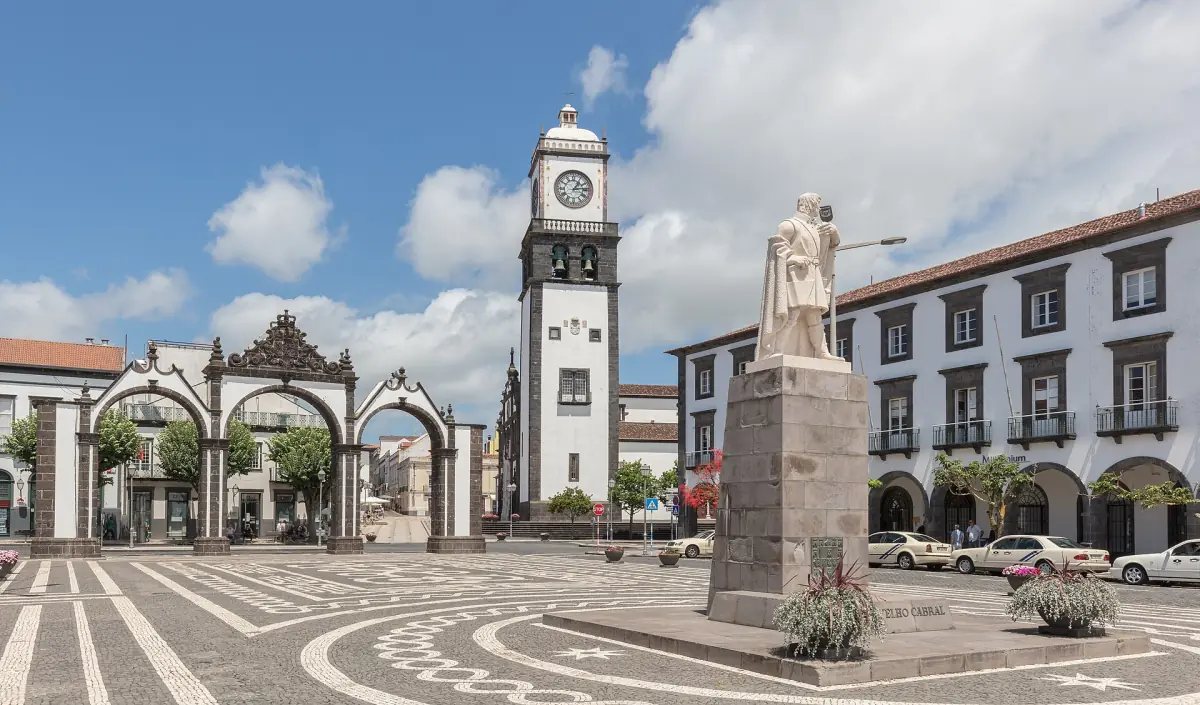
Summer in Ponta Delgada is statistically drier than winter in the IPMA series. If outdoor sightseeing is your main priority, that is a reason to favour summer months while retaining alternatives for wet days. Keep a city-history visit in your plans alongside the landscape outings, alongside your plans for distant viewpoints.
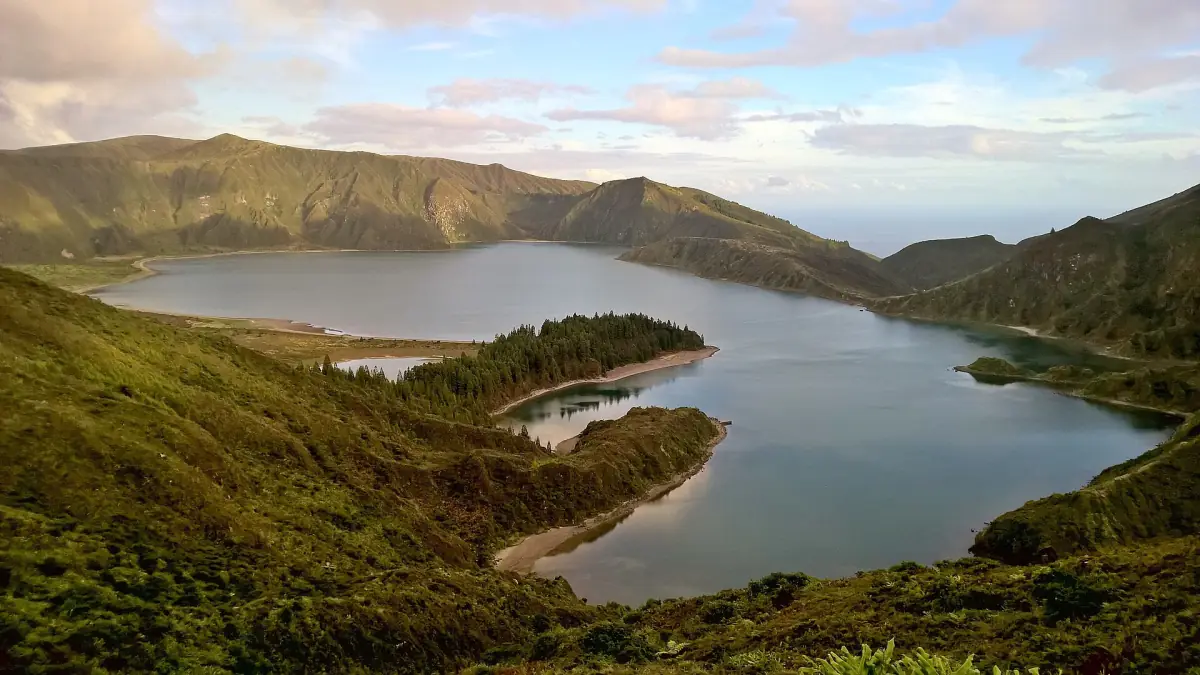
Winter planning in Ponta Delgada benefits from a programme that can move around rainfall and daily conditions. For a crater day, choose between Sete Cidades and Lagoa do Fogo according to your interests and the conditions when you travel. A viewpoint visit and a hike are different commitments: the described southern Lagoa do Fogo hiking route covers 10.2 kilometres and takes about four hours, with moderate difficulty. Check weather and access information for the specific outing.
Whale species have their own calendar
Sperm whales are present regionally throughout the year in the IWC handbook, with greater frequency in summer. Blue, fin and sei whales have their main regional migratory focus from April to June. These patterns describe the Azores, not a promise that a particular species will appear on a departure from Ponta Delgada.
The three-hour whale-watching cruise starts at Marina Pêro de Teive and includes transport in a catamaran or speedboat, crew, a guide, life jacket and raincoat. Arrange your own journey to the meeting point. Choose the month around the wildlife interest that matters to you, then use the whale-watching guide to understand boats and meeting places. Sea conditions affect the practical plan, and neither a sailing nor a sighting is guaranteed.
Pópulo’s bathing season is a separate reference
Pópulo’s official 2026 bathing season ran from 15 June to 13 September. The beach profile describes black basalt sand, open Atlantic exposure and high marine exposure. These dates describe that bathing-season sheet; they do not turn the climate table into a swimming calendar.
Pópulo’s season ended by November 2026. That end date gives neither a winter-supervision promise nor a current bathing prohibition. Keep the three decisions separate: climate averages help choose a month, species seasonality helps frame a wildlife trip, and local beach conditions guide a bathing decision.
Questions about choosing the best time to visit ponta delgada
Which month is statistically driest?
July has the lowest average monthly rainfall in the Ponta Delgada coastal series, at 26.0 mm. The figure comes from IPMA’s 1991 to 2020 climate normals, published in the 2024 station sheet. It helps compare months, while individual days and conditions at crater viewpoints can differ.
When is the migratory whale season?
April to June is the regional focus for blue, fin and sei whales in the IWC handbook. Sperm whales are listed year-round, more frequently in summer. Choose around your wildlife interests, while allowing for the uncertainty of a particular departure and the sea conditions on the day.
Do the climate figures describe the crater lakes?
The Ponta Delgada climate figures describe the coastal Observatório Afonso Chaves station, at 35 metres elevation. They are useful for city-level seasonal planning. Sete Cidades and Lagoa do Fogo need their own day-specific weather and access decisions, particularly if you plan a hike rather than a viewpoint stop.