
Choosing a Ponta Delgada whale watching trip
Ponta Delgada whale watching combines an Atlantic boat trip with wildlife observation off São Miguel. The two outings compared here each last three hours, but their meeting points and equipment differ. Start with those practical details rather than treating every departure from the city harbour as the same experience.
The briefing-led trip includes a marine biologist or nature guide, with raincoat and trousers supplied for Zodiac boats. The catamaran or speedboat outing includes crew, a tour guide, a life jacket and a raincoat. Neither includes hotel transfers or refreshments. Choose the briefing-led outing for its stated naturalist accompaniment; choose the catamaran or speedboat outing when that boat format matches your plans.
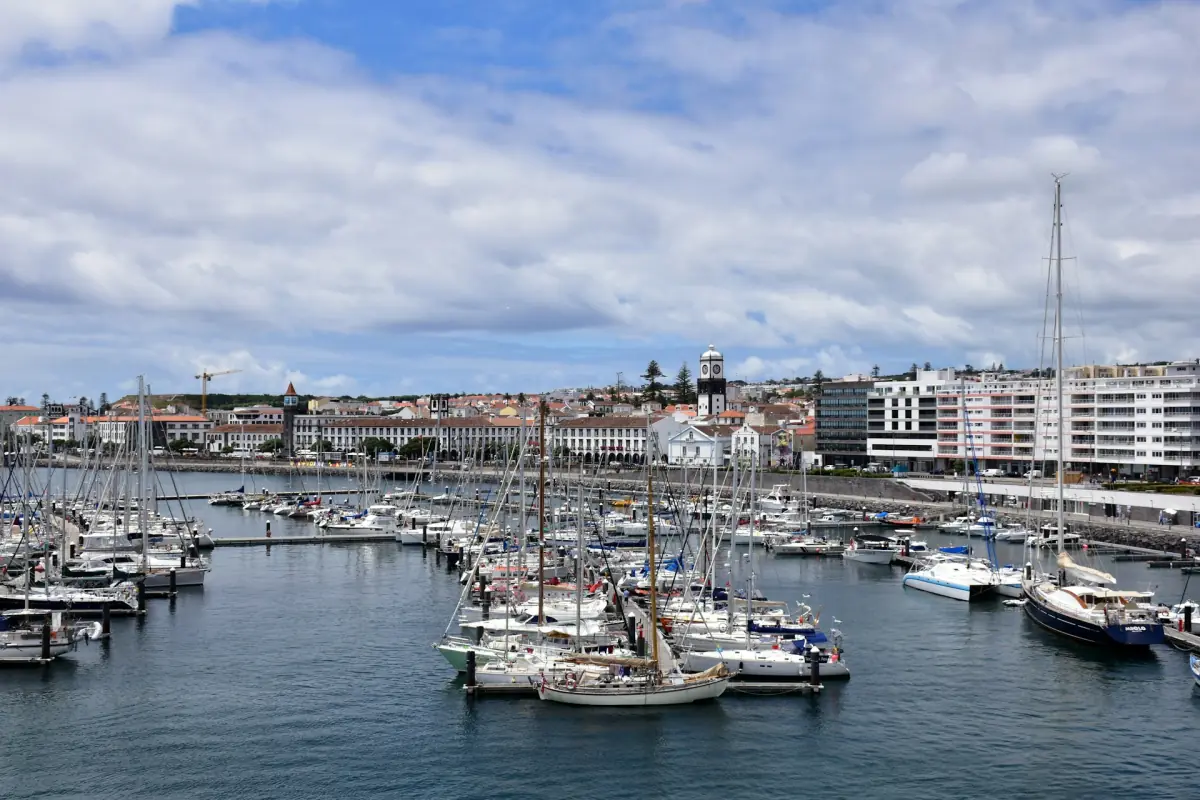
Our picks: whale watching
Choose the trip with a marine biologist or nature guide for natural-history accompaniment. The other trip uses a catamaran or speedboat and includes rainwear.
Hand-picked tours, booked through GetYourGuide. Prices are indicative starting prices in euros (as of November 2026). Tap a tour for live availability and the current price in your currency.
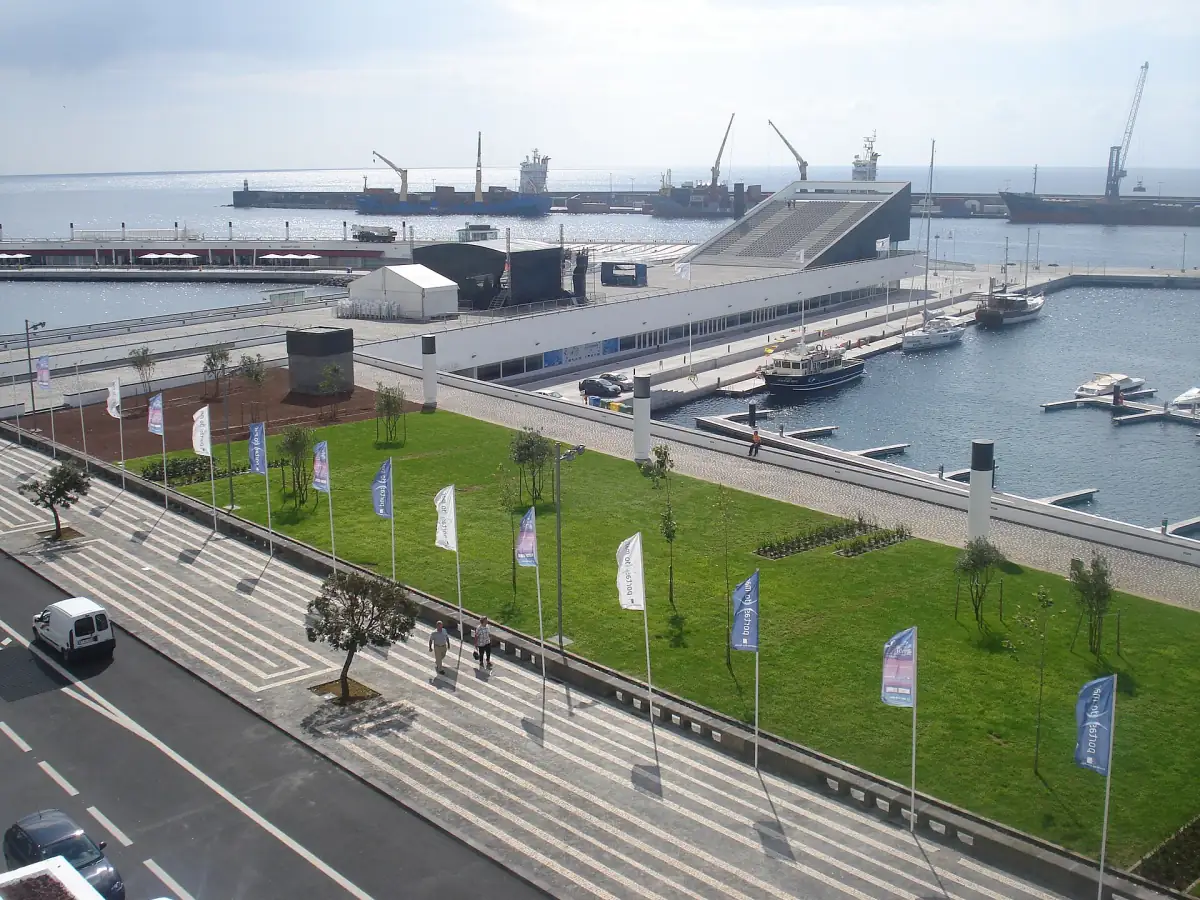
Whale watching with a nature guide
- Pre-tour briefing
- Marine biologist or nature guide
On zodiac boats, rainwear is provided and a life jacket is mandatory. Wildlife sightings cannot be guaranteed.
Check availability →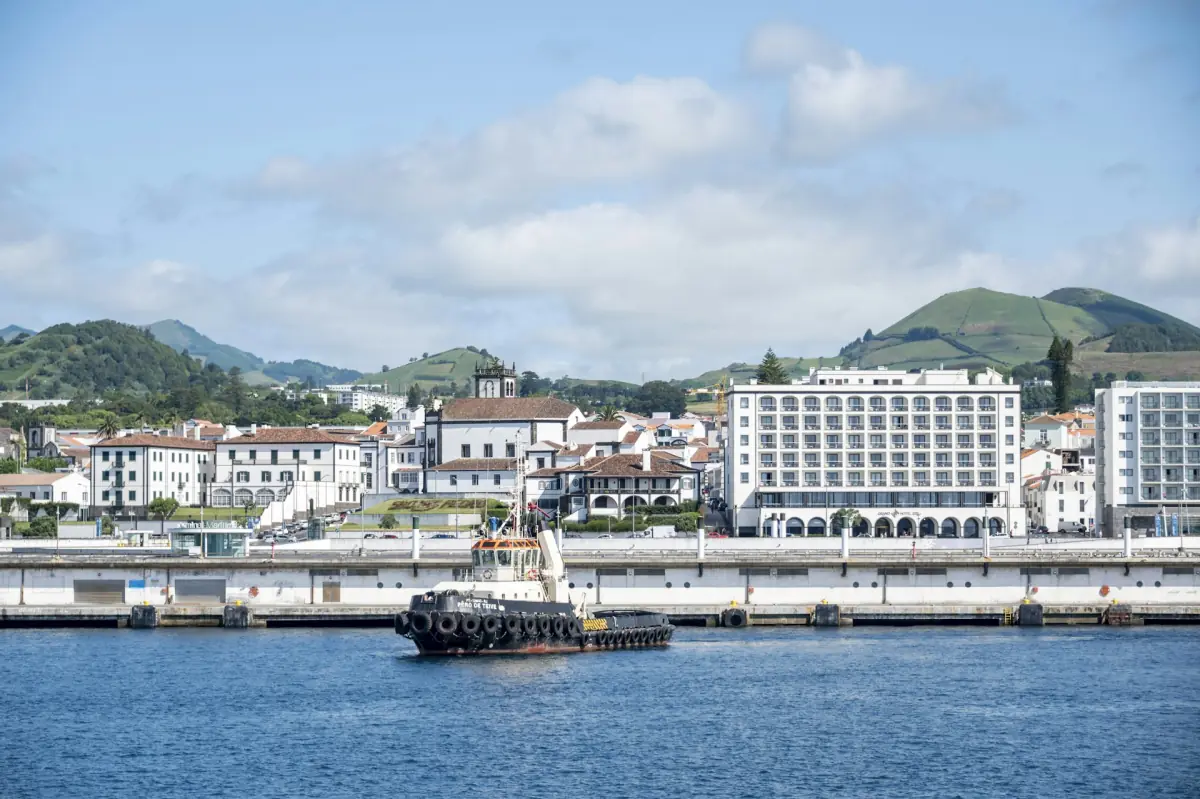
Whale watching by catamaran or speedboat
- Tour guide and crew
- Life jacket and raincoat
The trip uses a catamaran or speedboat. Wildlife sightings cannot be guaranteed.
Check availability →Whale and dolphin outings from the marina
Compare three-hour departures by their boat format, naturalist accompaniment and supplied clothing; hotel transfers and refreshments are separate.
Whale species and seasons around São Miguel
Sperm whales occur around the Azores throughout the year, with greater frequency in summer according to the IWC's regional species table. Large migrating baleen whales, including blue, fin and sei whales, have their main seasonal emphasis from April to June. These patterns help choose travel dates; the animals encountered on each departure still vary.
The regional whale season and the weather on your departure day answer different questions. A suitable month for a species does not promise a sailing or calm water. Keep room in your schedule for a change of plan, and use the weather and season guide to distinguish coastal climate statistics from wildlife timing.
Dolphin watching and marine wildlife
Bottlenose, common and Risso's dolphins are listed year-round in the IWC's Azores profile. Dolphin observation belongs to the same marine wildlife context as whale watching, rather than requiring a separate island itinerary. The guide's role is useful for understanding the animals encountered, even when the species differ from the ones you had hoped to see.
Wildlife observation is from the boat. Keep expectations centred on watching animals in their own surroundings; these outings should not be read as swimming sessions with whales. For a land-based contrast, the Sete Cidades lake trips focus on crater scenery rather than marine encounters.
Harbour meeting points and boat conditions
The briefing-led whale and dolphin trip meets at Marina Portas do Mar, while the catamaran or speedboat trip meets at Marina Pêro de Teive. Use the actual meeting instructions for your selected departure, rather than arriving at an arbitrary point on the waterfront. Hotel pickup is excluded from both outings.
Zodiac rainwear on the briefing-led trip comprises a raincoat and trousers, and a life jacket is mandatory on its Zodiac boats. That equipment description belongs to the Zodiac option. The other outing lists a raincoat and life jacket with transport by catamaran or speedboat; its description does not promise unrestricted choice between those boats.
Responsible whale observation
The original Azorean law dated 22 March 1999 set limits of 50 metres for active approaches, 100 metres around whales with small calves and 30 minutes in the approach zone. The original text also prohibited pursuit, feeding, separating groups and swimming with whales. These are dated provisions from the original law, rather than a complete consolidated statement of the rules for November 2026.
The onboard briefing is the practical starting point for your behaviour during an outing. Follow crew instructions and leave decisions about approaching animals to the crew. Build the rest of your day around the city using the old town guide, instead of assuming that a wildlife encounter will happen at a particular time.
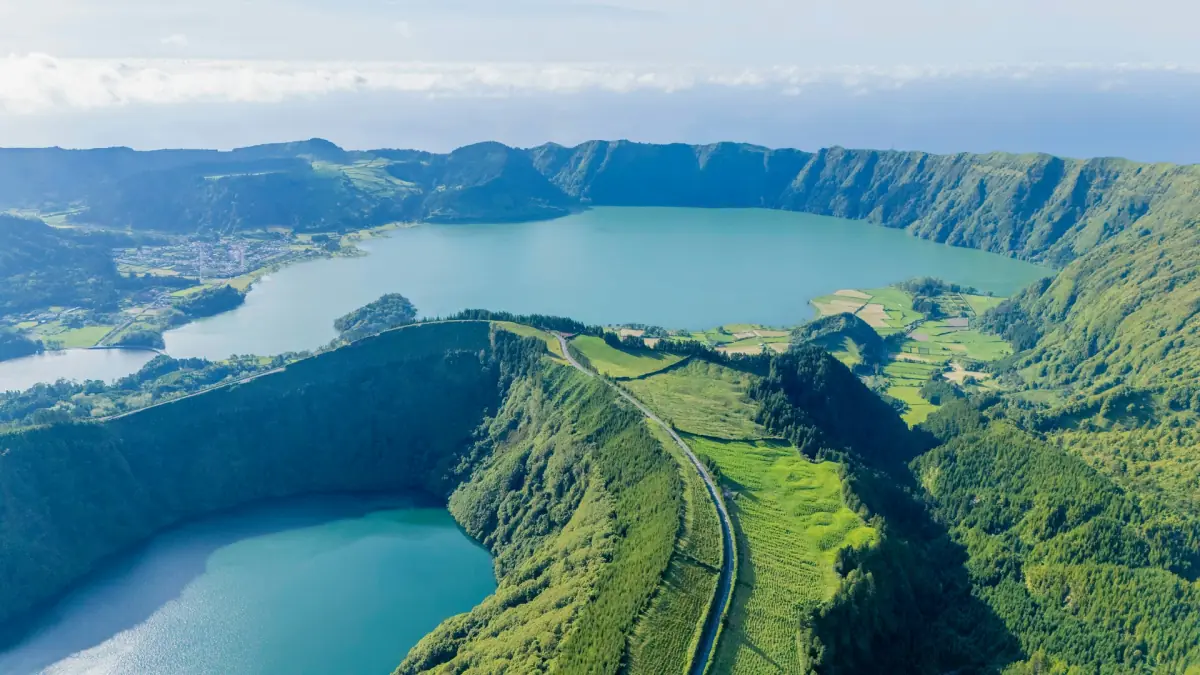
Questions about whale watching
When are migrating whales most likely to be in the region?
April to June is the main seasonal emphasis for large migrating baleen whales in the IWC's Azores species table. Sperm whales are listed throughout the year and more frequently in summer. Regional seasonal patterns help with planning, while the animals encountered on any individual departure remain unpredictable.
How long do the outings take?
Three hours is the listed duration of each whale-watching outing compared here. Allow separately for reaching the correct marina and following the departure instructions. The briefing-led trip starts at Portas do Mar; the catamaran or speedboat outing uses Marina Pêro de Teive. Hotel transport is excluded from both.
Are hotel transfers included?
No, neither of these Ponta Delgada whale-watching outings includes hotel pickup or drop-off. Make your own arrangements for the marina named in your booking. Food and drinks are also excluded, so compare the supplied equipment and guide arrangements rather than expecting a transfer or meal package.